Views: 0 Author: HL Petroleum Publish Time: 2026-06-01 Origin: Site
In oil and gas drilling operations, the rig tank is one of the most important pieces of equipment in the drilling fluid circulation system. It serves as the foundation for storing, mixing, processing, and circulating drilling fluids throughout the entire drilling process. A well-designed rig tank improves drilling efficiency, supports solids control equipment, and helps maintain stable drilling fluid performance.
As drilling projects become increasingly complex, drilling contractors are paying more attention to the quality, durability, and configuration of rig tank systems.
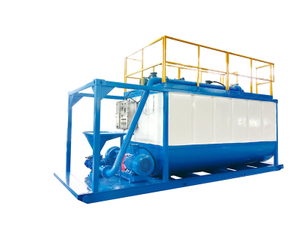
A rig tank is a large steel tank used on drilling rigs to store and process drilling fluids, water, oil, chemicals, or waste materials during drilling operations. Rig tanks are commonly integrated with solids control systems and mud circulation systems to support continuous drilling activities.
Depending on the application, rig tanks may function as:
Mud tanks
Mixing tanks
Suction tanks
Reserve tanks
Water tanks
Slop tanks
Trip tanks
Storage tanks
These tanks are widely used in:
Onshore oil drilling
Offshore drilling platforms
HDD (Horizontal Directional Drilling)
Geothermal drilling
Workover rigs
Mining drilling projects
Rig tanks provide temporary storage for drilling mud before circulation into the wellbore.
The tanks allow drilling fluid additives and chemicals to be mixed evenly through agitators and mud guns.
Rig tanks work together with solids control equipment such as shale shakers, desanders, desilters, and centrifuges to process drilling fluids efficiently.
They ensure continuous circulation of drilling fluids between the wellbore and surface equipment.
Some rig tanks are designed to collect waste fluids, sludge, and drilling cuttings generated during drilling operations.
Different drilling projects require different rig tank configurations.
Mud tanks are used to store and process drilling fluid within the solids control system.
Water tanks store fresh water or industrial water used in drilling and cleaning operations.
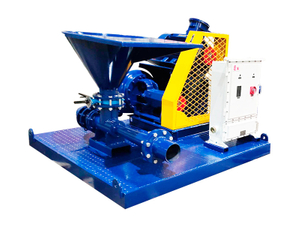
Mixing tanks are equipped with mud agitators and jet mud mixers to prepare drilling fluids.
Suction tanks feed drilling fluid directly to mud pumps for circulation into the well.
Trip tanks monitor fluid displacement during pipe tripping operations and help detect kick or fluid loss situations.
Slop tanks collect waste fluids and contaminated drilling mud.
A complete rig tank system typically includes:
Constructed from high-strength steel plates with corrosion-resistant coatings for long service life.
Prevents solids settlement and keeps drilling fluids uniformly mixed.
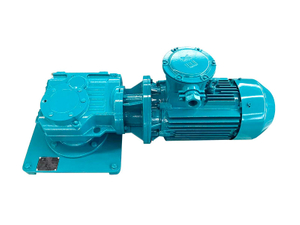
Provides additional fluid agitation inside the tank.
Improve operator safety and accessibility during equipment inspection and maintenance.
Controls pumps, agitators, lighting, and monitoring devices.
Allow fluid transfer between tanks and connected solids control equipment.
Modern rig tanks may include integrated cleaning systems to remove sludge and sediment buildup.
When designing or selecting a rig tank, several factors must be considered:
Tank volume depends on drilling depth, mud circulation requirements, and rig size.
The tank must withstand vibration, heavy loads, and harsh drilling environments.
Offshore and desert environments require durable anti-corrosion coatings and materials.
Skid-mounted or modular tank designs simplify transportation and rig-up operations.
The rig tank layout should support efficient installation of solids control equipment.
Rig tanks are a key part of modern drilling solids control systems. They support equipment such as:
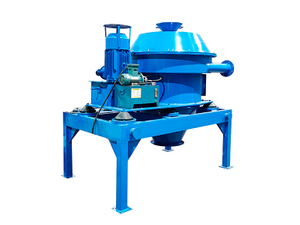
Vacuum degasser
Desander
Desilter
Mud cleaner
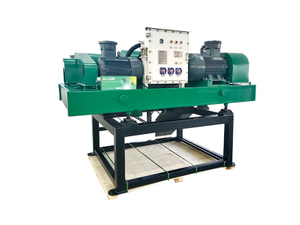
Decanter centrifuge
The arrangement of these tanks and equipment directly affects drilling fluid processing efficiency and overall rig performance.
A properly configured rig tank system helps maintain drilling fluid quality, reduce waste discharge, and lower drilling costs.
Efficient fluid circulation supports stable drilling performance.
Proper solids control reduces abrasive particle damage to pumps and drilling tools.
Optimized tank systems reduce mud loss and maintenance expenses.
Modern rig tanks include anti-slip walkways, explosion-proof electrical systems, and safe access platforms.
Closed-loop tank systems help reduce environmental contamination and waste discharge.
Compact design
Higher corrosion resistance
Strict safety standards
Limited installation space
Larger capacity options
Easier transportation
Flexible modular configurations
Lower installation costs
Before purchasing a rig tank, operators should evaluate:
Drilling rig size
Mud system capacity
Working environment
Transportation conditions
Solids control requirements
Certification standards
Customization needs
Professional manufacturers can provide customized rig tank solutions based on specific drilling project requirements.
Modern rig tanks are evolving toward:
Modular structures
Intelligent monitoring systems
Automated tank cleaning
Improved environmental protection
Lightweight high-strength materials
Integrated solids control designs
These innovations help drilling companies improve operational efficiency while reducing labor and maintenance costs.
The rig tank is an essential component of every drilling operation. It plays a vital role in drilling fluid storage, circulation, solids control, and overall drilling efficiency. A high-quality rig tank system helps drilling contractors reduce downtime, improve safety, and maintain stable drilling performance in demanding environments.
As drilling technologies continue to advance, durable and efficient rig tank systems are becoming increasingly important for both onshore and offshore drilling projects.
For professional rig tank solutions, mud tanks, and drilling solids control equipment, visit HL Petroleum Official Website to explore customized oilfield equipment for modern drilling operations.